




Third Grade Curriculum
- 4 courses included
- Update grade level anytime
Subscribe more students, save more!
10% off
2 students
20% off
3-5 students
25% off
6+ students
Time4Learning is a complete, secular online homeschool curriculum. All courses are standards-based and designed to be self-paced, allowing students to move through material at a speed that works for them.
Each lesson includes
- Video instruction
- Interactive quizzes to reinforce learning
- Printable worksheets for offline reinforcement
- Hands-on activities and experiments to do at home
Your third grader is expanding their critical thinking skills and becoming more independent in their learning. Our third grade language arts curriculum strengthens these abilities through creative writing and vocabulary building. In math, kids develop logical reasoning as they work with the four mathematical operations, foundations of algebra, geometry, and data analysis. In science, they engage in hands-on exploration and scientific inquiry while studying force, energy, weather, and space. In social studies, kids meet the character Vearl the Squirrel and apply inquiry-based learning to geography, history, civics, and economics.
Third graders are starting to understand cause and effect and can make connections between abstract concepts. The Time4Learning curriculum harnesses these new abilities to extend understanding in key math concepts.
At Time4Learning third graders discover that:
- Numeration and number theory help us understand the connections numbers have with each other.
- The four operations are fundamental to math and are connected to each other.
- Fractions and decimals are connected to each other and impact every day life.
- Coordinate geometry can help us understand location and describe spatial relationships.
Third graders vocabulary is expanding rapidly and they are beginning to use language in more sophisticated ways like creative writing. Time4Learning encourages this growth through an integrated language arts approach where students apply reading writing and thinking skills within an engaging activity.
At Time4Learning Third Graders explore:
- The stages of the writing process: planning, drafting, revising, editing, and publishing.
- Vocabulary understanding that includes: synonyms, antonyms, prefixes, suffixes, homophones, and idioms.
- Integrated thematic chapters on a variety of topics that encourage students to use reading, writing, and thinking skills together.
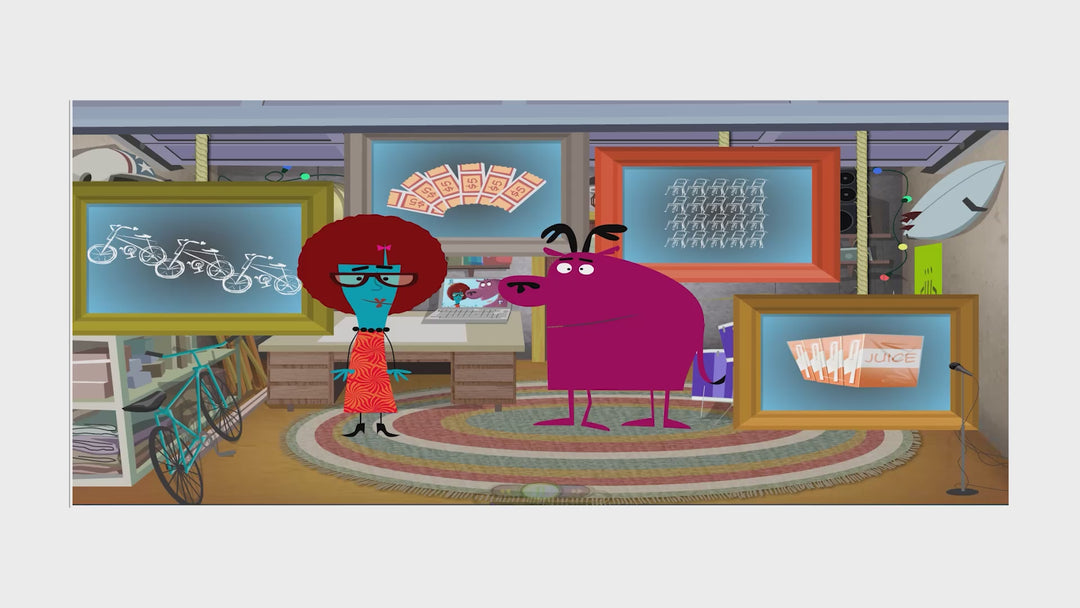
Third graders enjoy activities that allow them to express their imagination which is why Time4Learning has created third grade social studies as an adventure. Learners will meet Bryson the teacher and Vearl the Squirrel as they apply inquiry-based learning to learning geography, history, civics, and economics.
At Time4Learning third graders discover:
- Earth's physical features through a study of geography and climate
- Maps are tools to help us discover more about our planet
- North American history and learn more about the colonies.
- Consumers, producers, markets and prices are connected to our every day lives and our community.
Third graders are developing strong interests in particular subjects or hobbies, which can lead to more focused learning and exploration. Time4Learning harnesses this through a comprehensive science approach using the 5E Model: Engage, Explore, Explain, Extend, and Evaluate.
At Time4Learning Third Graders discover that:
- There are invisible forces of static electricity and magnetism as well as conductors, insulators and current electricity.
- That all living things (plants and animals) have a unique life cycle that includes the stages of birth, growth and development, reproduction, and death.
- Changes in behavior and physical characteristics can happen in a species, based on their needs and their environment.
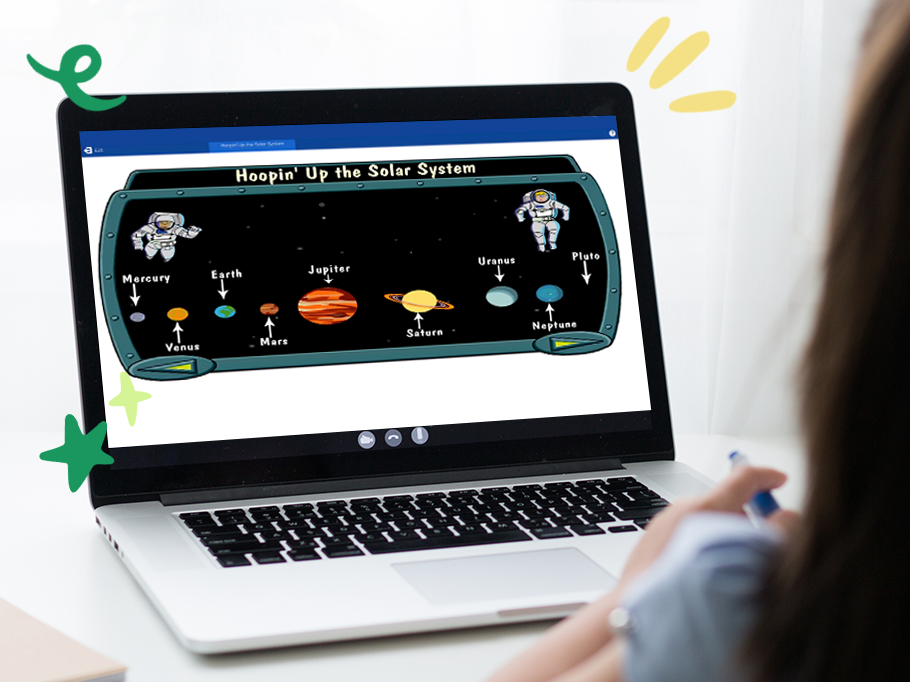
- Our solar system includes the sun, our eight planets and other smaller bodies orbiting within our solar system.
This outline shows both what your child will learn (the scope) and the order in which the lessons build on each other (the sequence).
Third Grade Math
Chapter 1: Thinking with Addition & Subtraction
- Analyze addition and subtraction relationships
- Use models, drawings, and equations
- Identify patterns in fact families
Chapter 2: Understand Multiplication
- Understand multiplication as equal groups
- Use multiplication models
- Write and solve multiplication equations
Chapter 3: Area
- Find the area using unit squares
- Use multiplication to calculate area
- Solve real-world area problems
- Understand composite figures
Chapter 4: Place Value to Thousands
- Represent 4-digit numbers
- Compare and order 4-digit numbers
- Use place value understanding to add and subtract
Chapter 5: Add & Subtract Within 1,000
- Add using models and place value strategies
- Use the standard addition algorithm
- Subtract using models and place value strategies
- Use the standard subtraction algorithm
Chapter 6: Display & Interpret Data
- Create scaled picture graphs
- Interpret bar graphs
- Analyze data sets
Chapter 7: Multiply Beyond the Facts
- Apply multiplication strategies
- Multiply by multiples of 10
- Build multiplication fluency
Chapter 8: Understand Division
- Create equal shares
- Relate multiplication and division
- Use division strategies
- Solve division word problem
Chapter 9: Fraction Foundations
- Understand fractions as numbers
- Place fractions on a number line
- Represent fractions using area models
Chapter 10: Reasoning with Fractions
- Compare fractions
- Identify and generate equivalent fractions
Chapter 11: Money
- Count coins and bills
- Compare money amounts
- Make change within $5
Chapter 12: Time
- Tell time to the nearest minute
- Solve elapsed time problems
- Use analog and digital clocks
Chapter 13: Customary Measurement
- Measure length, weight, liquid volume, and temperature
- Solve real-world measurement problems
- Graph measurement data
Chapter 14: Metric Measurement
- Measure using metric units
- Find perimeter of shapes
- Measure volume, mass, and temperature
Chapter 15: Geometry
- Understand geometry vocabulary
- Identify attributes of polygons
- Classify shapes
Third Grade Language Arts
Chapter 1: Vocabulary Skills
- Context Clues
- Synonyms and Antonyms
- Multiple-Meaning Words
Chapter 2: Spelling and Phonics
- Phonics Patterns
- Common Spelling Rules
Chapter 3: Grammar Basics
- Nouns and Pronouns
- Verbs and Adjectives
- Adverbs and Prepositions
Chapter 4: Sentence Structure
- Subjects and Predicates
- Complete and Run-On Sentences
Chapter 5: Punctuation and Capitalization
- End Punctuation
- Capitalizing Proper Nouns
Chapter 6: Writing Process
- Planning and Drafting
- Revising and Publishing
Chapter 7: Narrative Writing
- Writing Personal Stories
- Using Dialogue
Chapter 8: Opinion Writing
- Stating an Opinion
- Supporting with Reasons
Chapter 9: Informational Writing
- Research and Reporting
- Using Facts and Examples
Chapter 10: Poetry
- Rhyme and Rhythm
- Imagery and Meaning
Chapter 11: Reading Comprehension
- Main Idea and Details
- Cause and Effect
- Compare and Contrast
Chapter 12: Literary Elements
- Character, Setting, Plot
- Theme and Conflict
Chapter 13: Family – ILA
- Literature Reading
- Word Study and Grammar
Chapter 14: Community – ILA
- Reading Informational Text
- Comprehension Practice
Chapter 15: Friendship – ILA
- Understanding Theme
- Making Predictions
Chapter 16: Tall Tales – ILA
- Figurative Language
- Character Traits
Chapter 17: Folktales – ILA
- Lesson and Moral
- Sequencing Events
Chapter 18: Fairy Tales – ILA
- Fantasy Elements
- Plot and Structure
Chapter 19: Animals – ILA
- Reading Nonfiction
- Research and Writing
Third Grade Science
Chapter 1: Forces and Motion
- Types of Forces
- Gravity and Friction
- Speed and Direction
Chapter 2: Energy
- Forms of Energy
- Heat, Light, and Sound
- Energy Transfer
Chapter 3: Life Cycles and Traits
- Plant Life Cycles
- Animal Life Cycles
- Inherited Traits and Learned Behaviors
Chapter 4: Habitats and Ecosystems
- Types of Habitats
- Food Chains and Webs
- Adaptations and Survival
Chapter 5: Weather and Climate
- Weather Tools and Patterns
- Severe Weather
- Climate Zones
Chapter 6: Engineering and Design
- Scientific Inquiry
- Plan and Conduct Investigations
- Design and Test Solutions
Third Grade Social Studies
Chapter 1: Grade Introduction
- Course Overview
- Expectations and Skills
Chapter 2: Geography Skills
- Maps and Globes
- Cardinal Directions
- Map Symbols and Keys
Chapter 3: Earth’s Physical Features
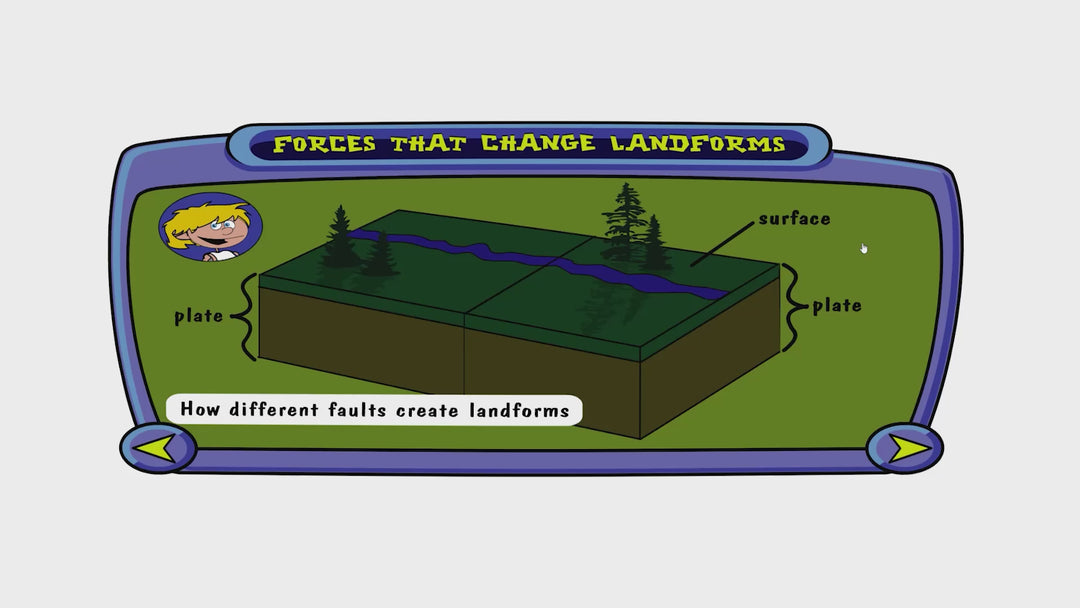
- Landforms and Bodies of Water
- Continents and Oceans
Chapter 4: Communities and Resources
- Urban, Suburban, and Rural Areas
- Using Natural Resources
Chapter 5: Government and Citizenship
- Rules and Laws
- Local, State, and National Government
- Responsibilities of Citizens
Chapter 6: U.S. Symbols and Landmarks
- National Symbols
- Historical Monuments
Chapter 7: Native American Cultures
- Early Societies and Traditions
- Regions and Lifestyles
Chapter 8: Early Explorers
- European Exploration
- Encounters with Native Peoples
Chapter 9: Colonial America
- Settlements and Daily Life
- Role of Religion and Trade
Chapter 10: Revolutionary America
- Causes of the Revolution
- Important Events and People
Chapter 11: Economics and Trade
- Goods and Services
- Producers and Consumers
Chapter 12: American Culture and Celebrations
- National Holidays
- Diversity and Traditions